
Ask a car company what their customer wants and they’ll tell you about the driver. Fair enough, the driver’s the one buying the car, or the tires, or the part that just failed on the highway. Most research money in this industry goes toward understanding that one person.
But a car doesn’t just have a driver. It has a mechanic who has to actually fix it. A parts counter person who has to find the right piece in under two minutes or lose the sale. A shop owner deciding which supplier to trust when three different brands claim to be the best. None of them are driving anywhere (except to deliver those parts, or maybe to give a customer a ride to work). All of them shape whether that driver ever gets back on the road, and whether they come back to the same shop next time.
Most research in this space only talks to one side of that. That’s the easy half. It’s also, usually, the less useful half if what you’re actually trying to fix is the business, not just the ad campaign.
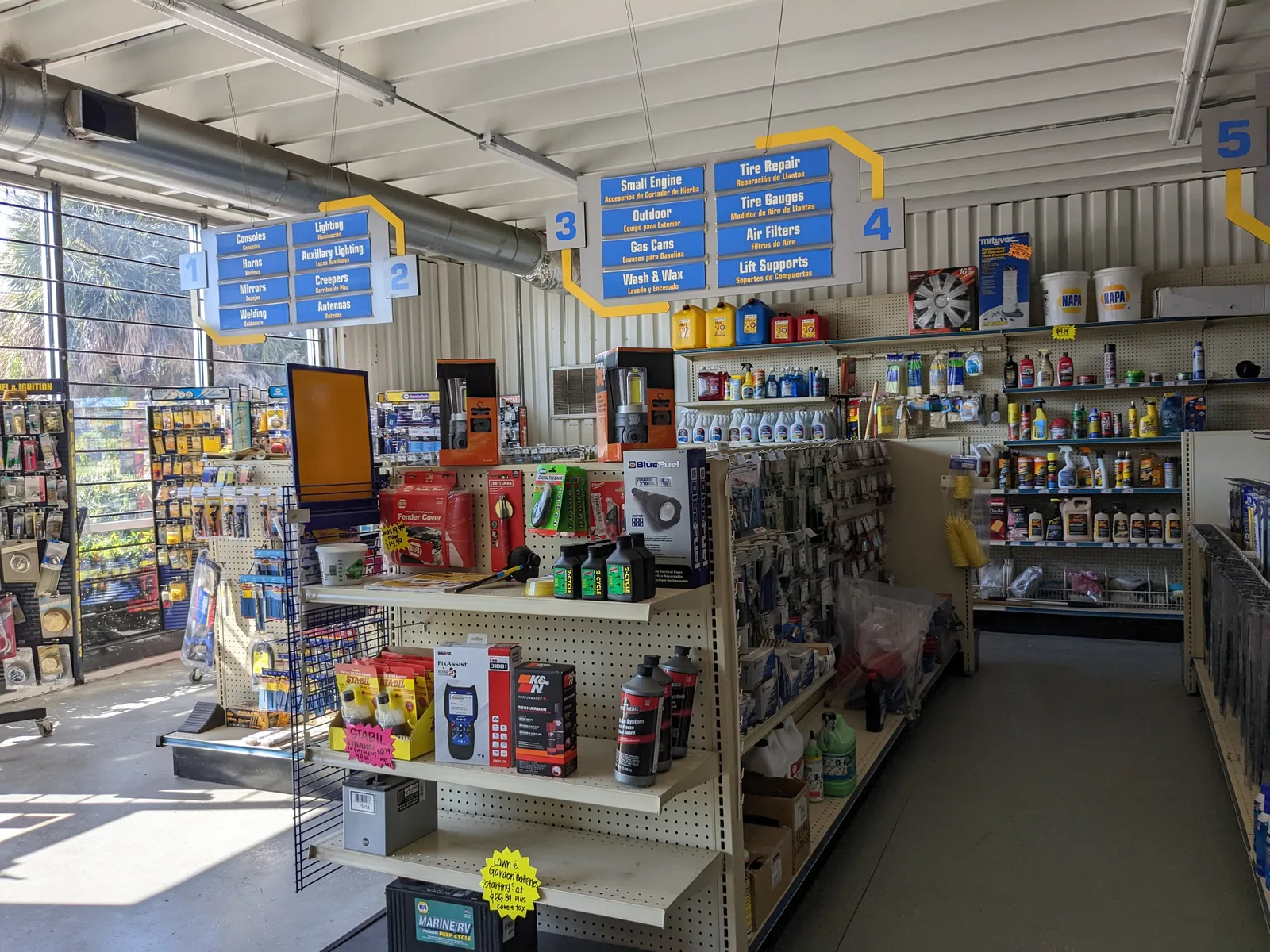
I spent nine months learning this the hard way, in a good way. A national auto parts supplier brought me in to understand their business before they committed to a multi-year overhaul of how it worked. The obvious move would have been to go talk to drivers. Instead, I spent three states’ worth of time riding along with delivery drivers, standing at parts counters, and sitting with technicians on shop floors, watching what actually happens when a part needs to get from a warehouse into someone’s hands, fast, correctly, and without a screaming customer in the waiting room.
Nobody had looked at all three sides of that at once before. Motorists, repair shops, and the people distributing the parts had always been studied separately, if they’d been studied at all. Putting them together is what actually showed where the real friction was, and it wasn’t where anyone expected.
That research became the foundation for a transformation program that ran for years afterward. Not because the driver research was wrong. Because it was incomplete, and nobody had gone looking for the rest of it.
If you’re in automotive and your research plan starts and ends with the driver, you’re studying the part of the business that’s the most obvious and, often, the least broken. The technician who’s frustrated with a confusing parts catalog, the counter employee juggling three systems that don’t talk to each other, the shop owner who switches suppliers over a bad experience nobody at headquarters ever heard about, these are the people actually running the day-to-day reality your product or service lives inside. Skip them and you’re only getting half the picture, and usually the half that was already easiest to guess.